

INSIDE THIS EDITION:
- JANE’S WALK TOURS (May 1-3)
- OH, TO BE A COORDINATOR!
- AMERICA! AMERICA! (May 19)
- FRINGEPVD NEEDS VOLUNTEERS!
- FROM A BOY JUGGLING A SOCCER BALL by Christopher Merrill
Click on the links to jump to the article.
Jane’s Walk: May 1-3
Jane’s Walk/Providence Public Art Class
Coordinators: Gayle Gifford, Cathy Hurst
TOURS:
Murals on Wickenden Street Guides: Myra Jerozal, Maria Mansella, Janet Miller
Downtown Murals Guides: Cathy Cochran, Carole Marshall
Downtown Building Embellishments Guides: Matt Hodge, Cathy Hurst
Monuments and Memorials Guides: Matt Hodge, Cathy Hurst
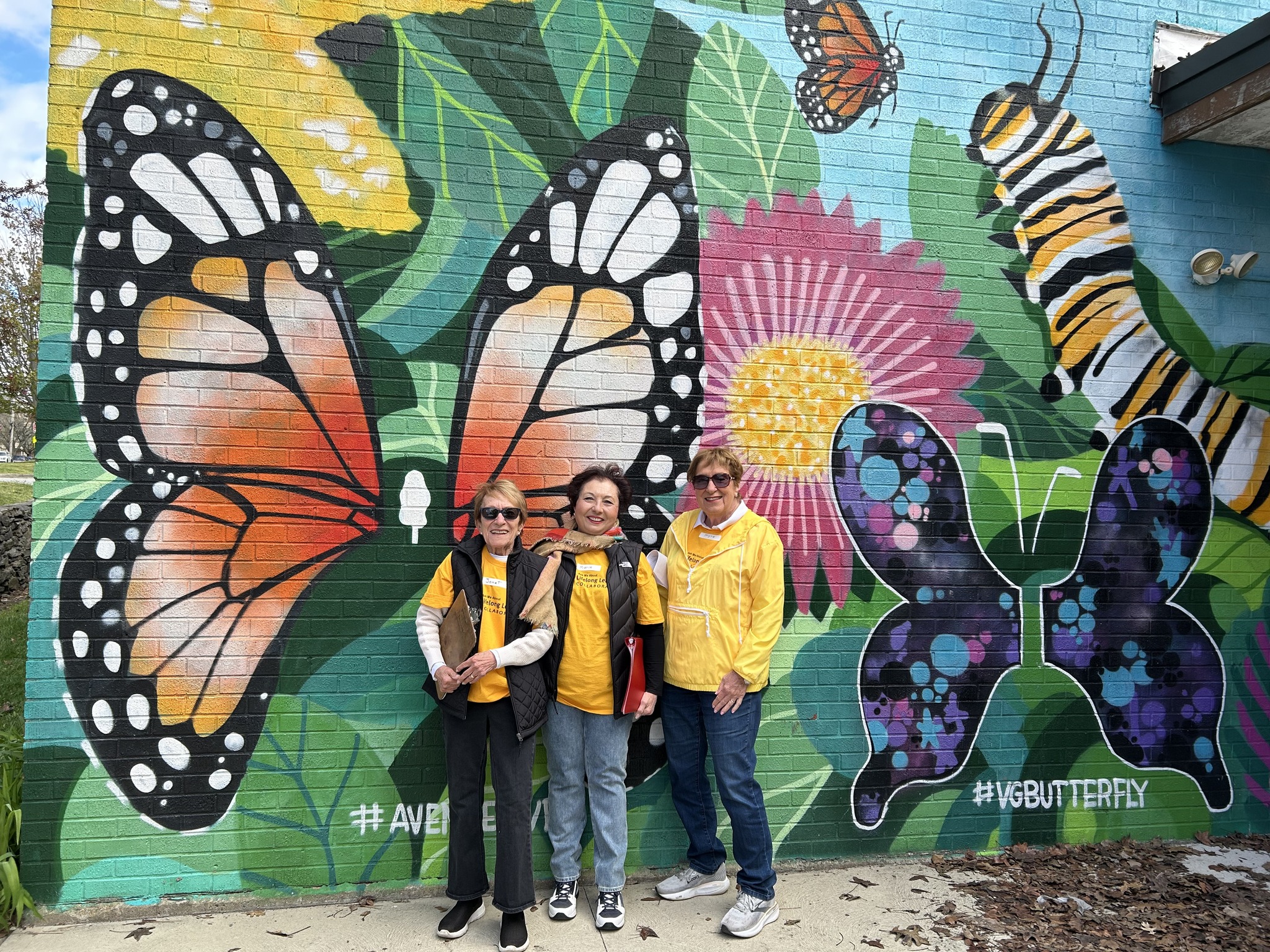
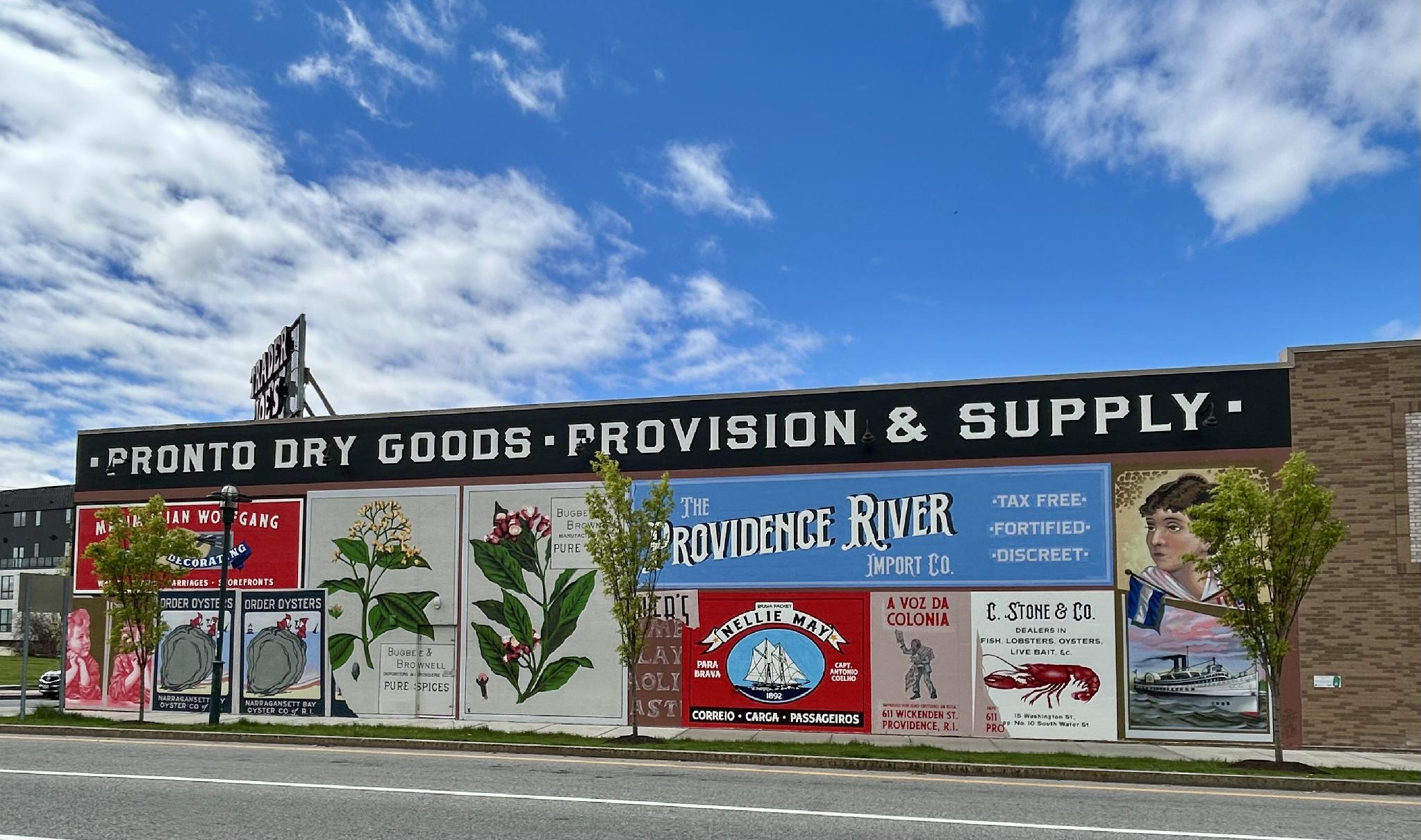
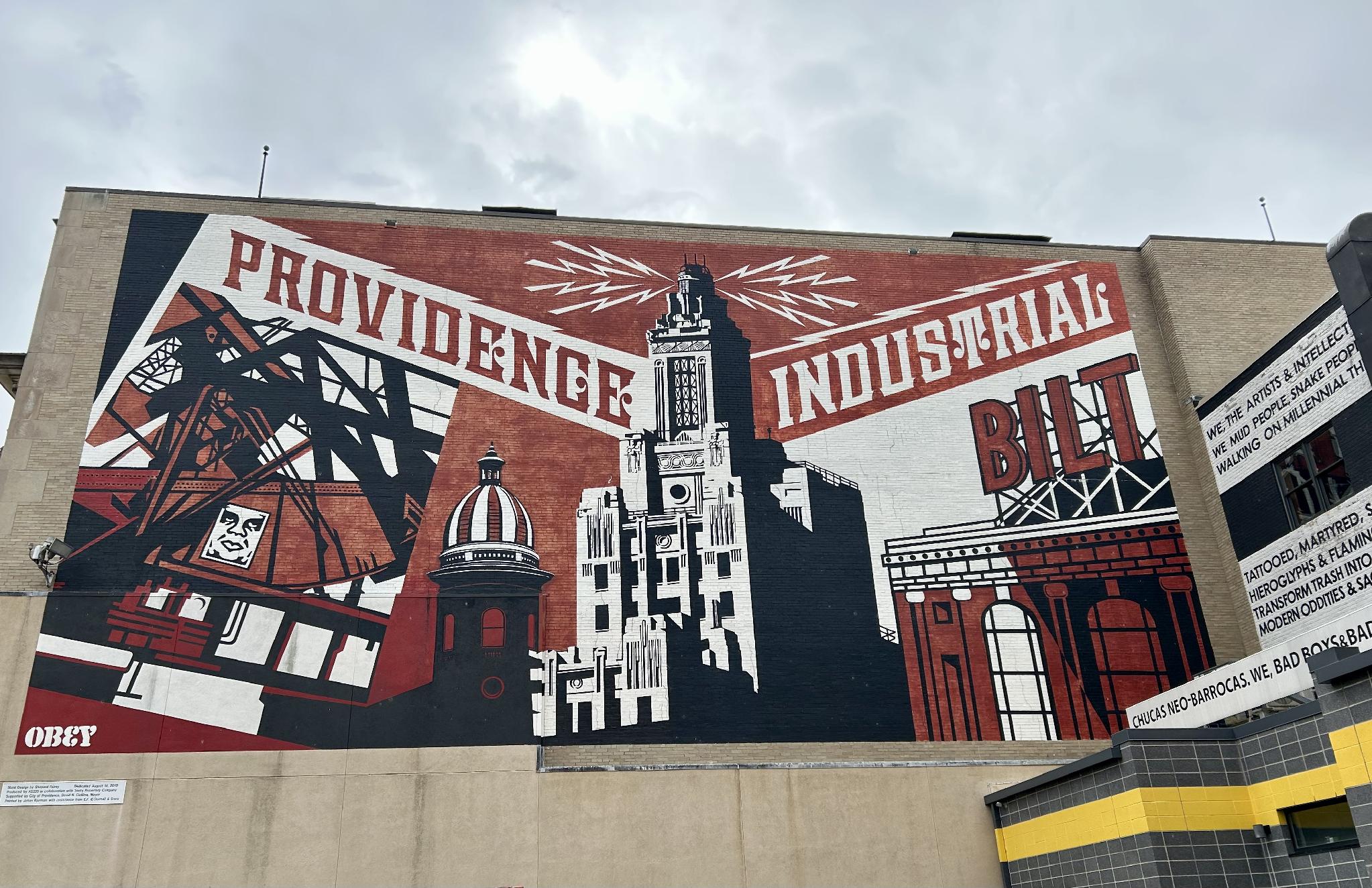
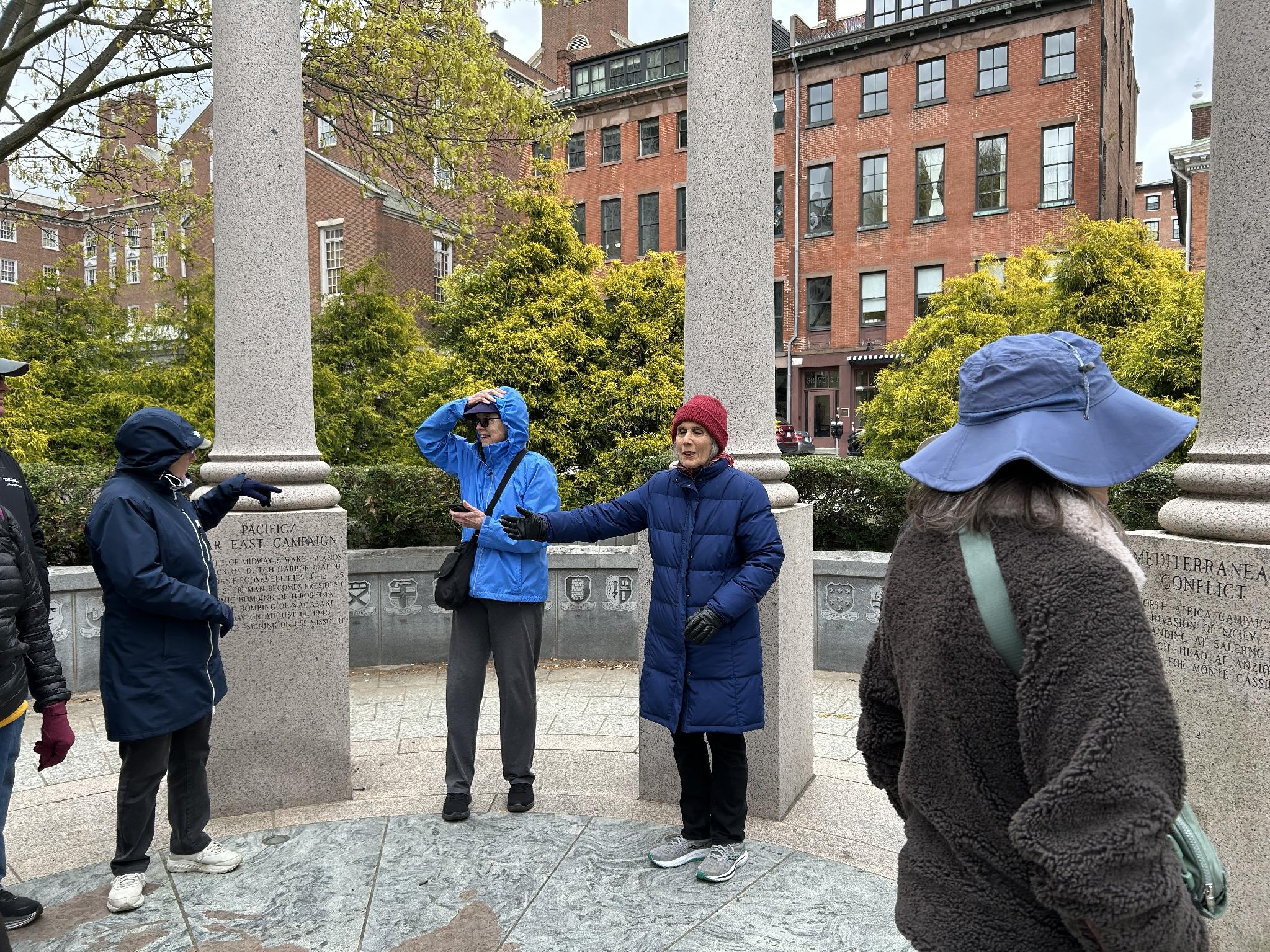
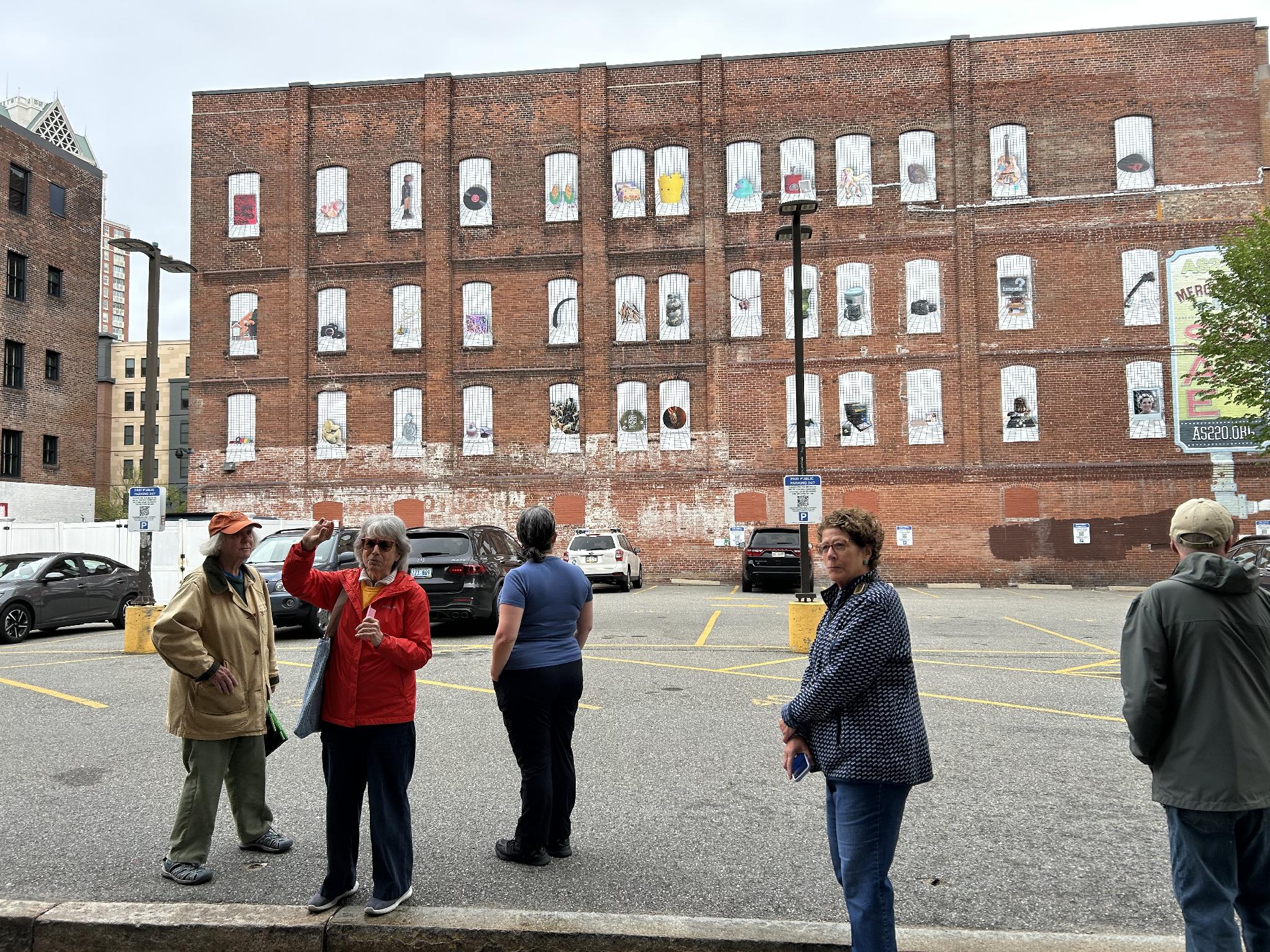
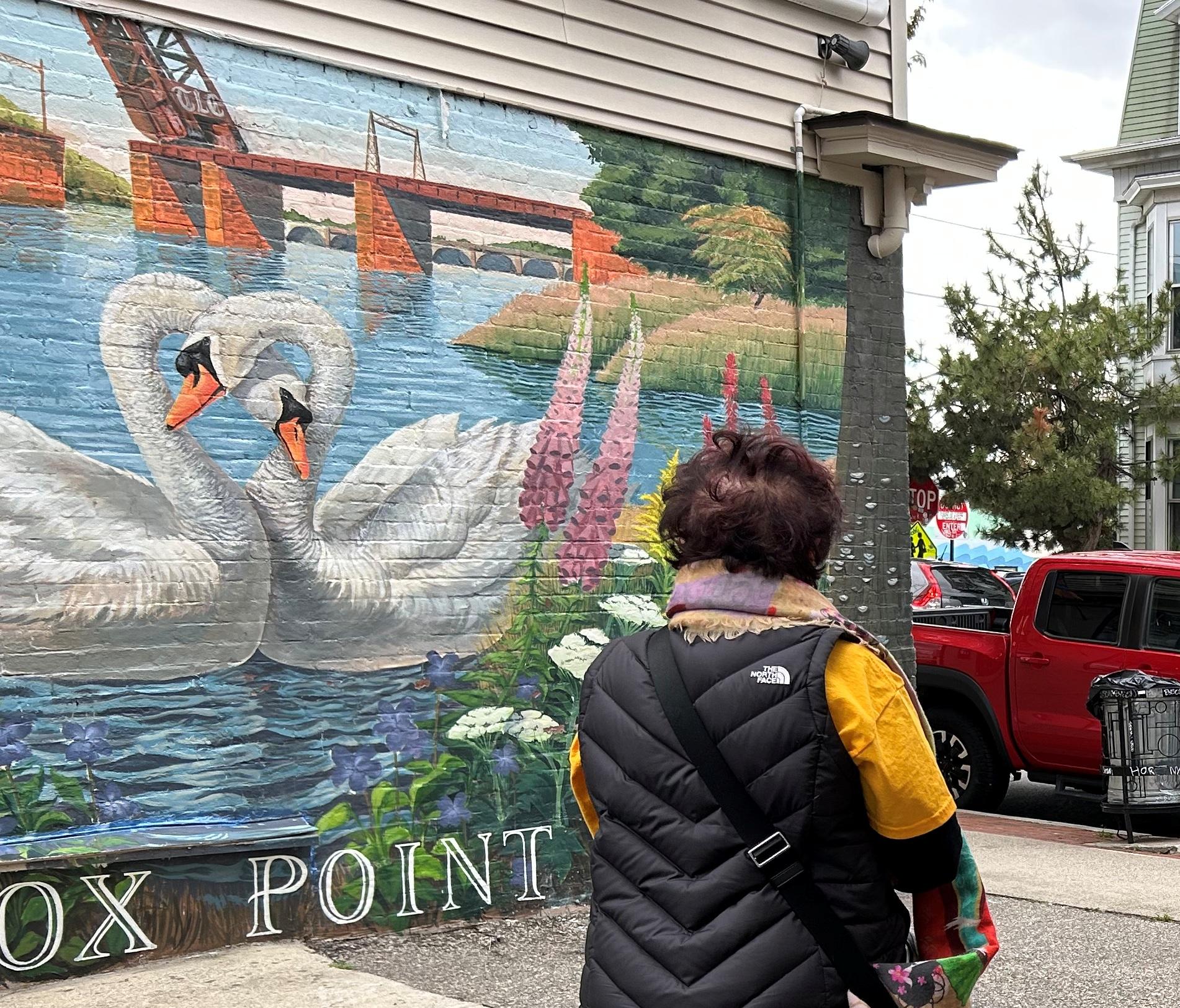
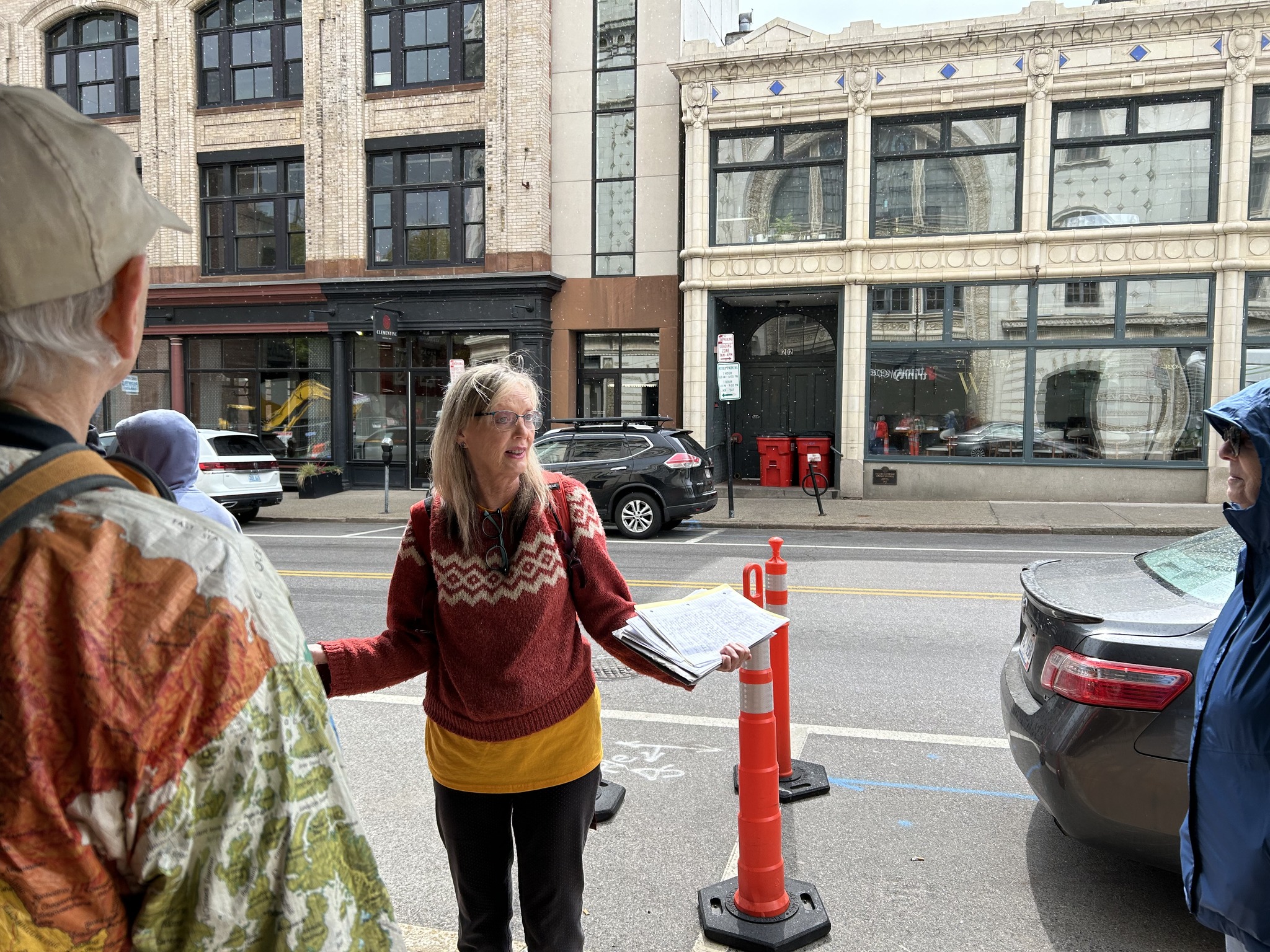
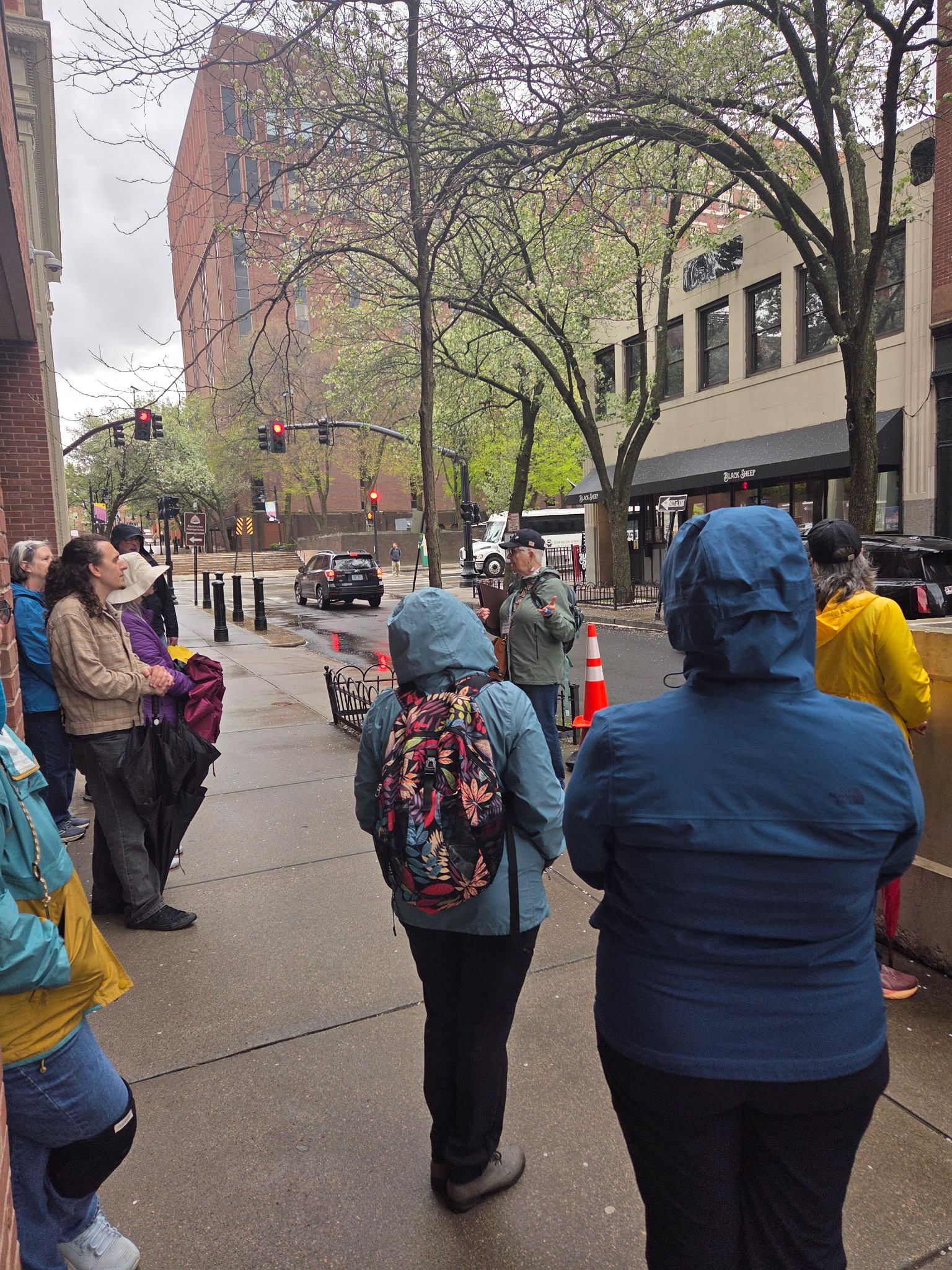
Photos by Cathy Hurst, Gayle Gifford, Mr. Mansella

Oh, To Be a Coordinator!
As you relax at home or at the beach this summer or travel to some exotic place or entertain guests in your home or become the guest in someone else’s home or do all of the above or do none of it, please think about the LLC courses that you’d love to take in future semesters …. and also the courses you would love to run.
To be a coordinator, you DO NOT have to be an expert. You just have to be curious.
AND YOU DO NOT HAVE TO WORK ON YOUR COURSE PLANS ALONE. WE CAN PAIR YOU WITH AN EXPERIENCED COORDINATOR, WORK WITH YOU ON DEVELOPING YOUR SYLLABUS, GUIDE YOU TO APPROACHES TO ORGANIZING YOUR COURSE SO THAT IT IS APPROPRIATE FOR LIFELONG LEARNERS WITH DIVERSE LEARNING STYLES AND STRENGTHS AND INTERESTS, GIVE YOU TRAINING IN THE USE OF VARIOUS TECHNOLOGIES THAT YOU MIGHT WANT TO INCLUDE, ETC. IN OTHER WORDS, THE CURRICULUM COMMITTEE IS EAGER TO HELP AND ENCOURAGE YOU IN ALL WAYS TO MAKE RUNNING COURSES COMFORTABLE FOR YOU.
I am the science-medicine-nature-mathematics-engineering liaison to the curriculum committee, and I’d love to hear from you about your ideas for courses. If your ideas fall into my turf, I can help you think about how to shape your course. And if your ideas are in a completely different area—music, history, social sciences, the arts, literature, something else—I can point you to the person on the curriculum committee who is the liaison for those courses.
One easy way to design a course is to choose a book that interests you and use it as the centerpiece of your course. Another is to find films that focus on a topic and use them as the springboards for your discussions.
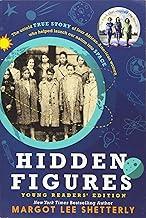 You also can define a theme or problem that intrigues you and design a syllabus to look at that theme from many angles, using print literature, online resources and videos, and so on.
Here are some course ideas that I have thought about:
Why did Brown University close its first medical school in 1827 and wait some 150 years to open a new one in 1972? What were the consequences to the state— doctors and patients—of not having a feeder medical school here to provide the state with locally educated doctors? What’s the status of the suggestion to build a medical school at URI?
What’s to be seen in the night skies?
How have wars influenced the progress and directions of medical and scientific research in the past and also today?
How did racist attitudes affect medical practices and medical experiments on the poor and people of color in medical institutions in Rhode Island throughout the 20th century? How much institutional racism still persists in our hospitals and research centers? What is being done about this?
What have new scientific methods contributed to analyses of natural disasters…fires, earthquakes, storms? Which of these are current risks for Rhode Island?
Who are or were the intellectual giants in science, medicine, engineering? What can we learn about their achievements from biographies and memoirs? Is there just one giant you’d like to focus on?
What can literature—novels, memoirs, poetry—add to our understanding of how nature, science, and medicine work?
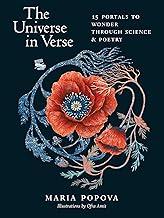 What are the foreseeable benefits and harms of new technologies? How does the technological imperative, the use of a technology because it exists whether or not it makes sense, play into this?
How determinative are genes? When are they only increasing our risks for certain conditions/diseases/traits? What is the value of learning more about one’s genes? What are the downsides to knowing that information?
What has the fossil record revealed recently about past plant and animal life on earth?
How have nano-technologies affected industrial advances and human health?
What new information have we learned about the universe through space exploration?
What do we know about the origin and history of ancient, modern, lunar, solar, and religious calendars?
How do genetic databases work? What are the strengths and limits of their value for (1) genealogy studies and for (2) analyses of genetic risks of specific diseases?
Remember: You don’t have to be an expert to coordinate a course on a topic…you just have to be curious about it. That’s what the word “collaborative” is all about in our organization’s name.
I’d love to hear from you about your ideas or any of the ideas I’ve listed above. We are always looking for new ideas for courses and new coordinators to keep our curriculum fresh. Please think about being part of that effort.
Thanks,
Ruth Guyer
Ruth.Guyer@gmail.com
America! America!
May 19, 2026
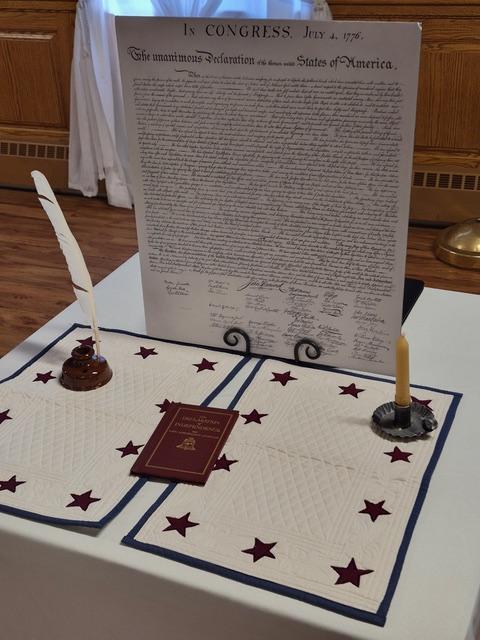
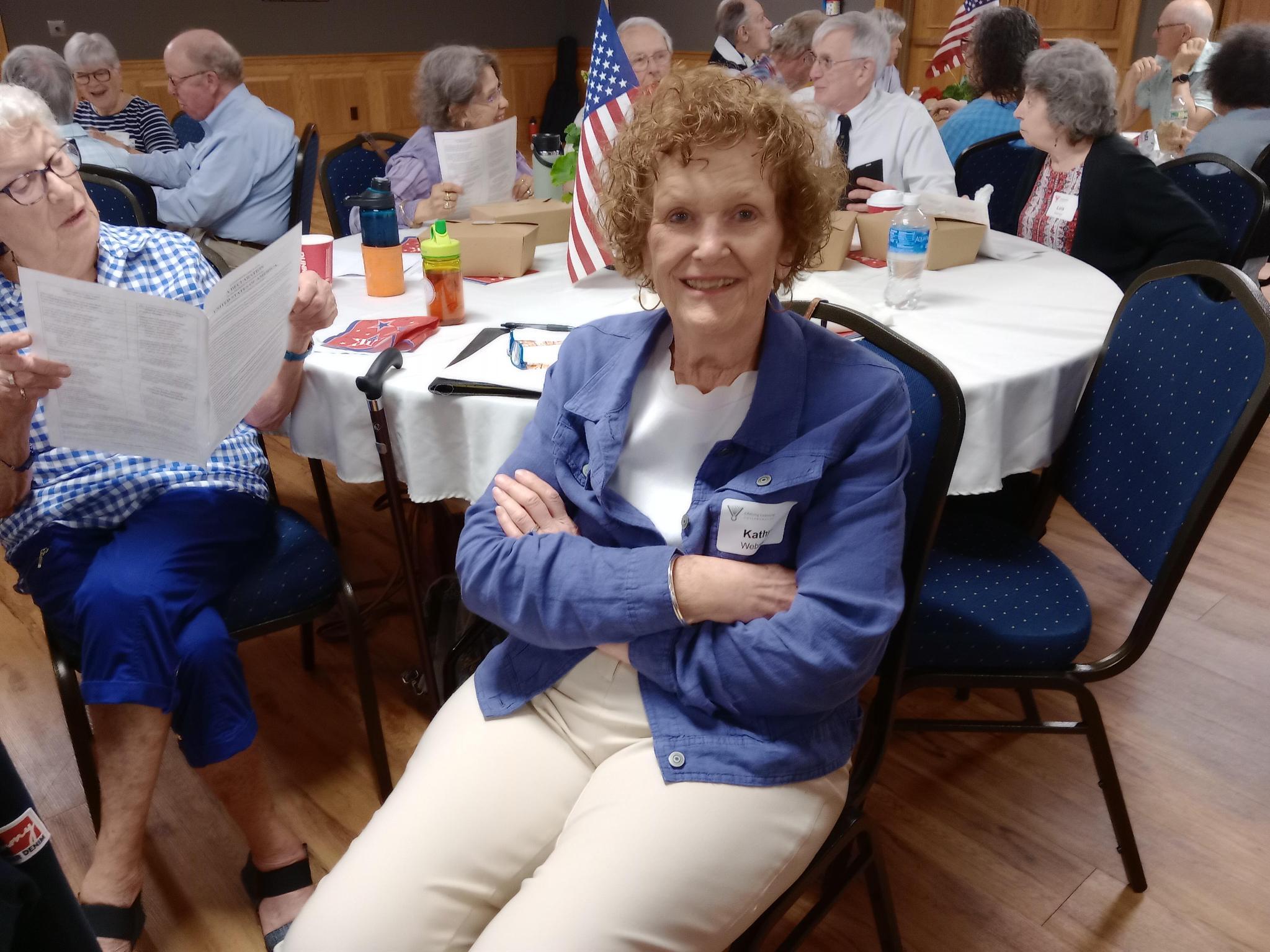
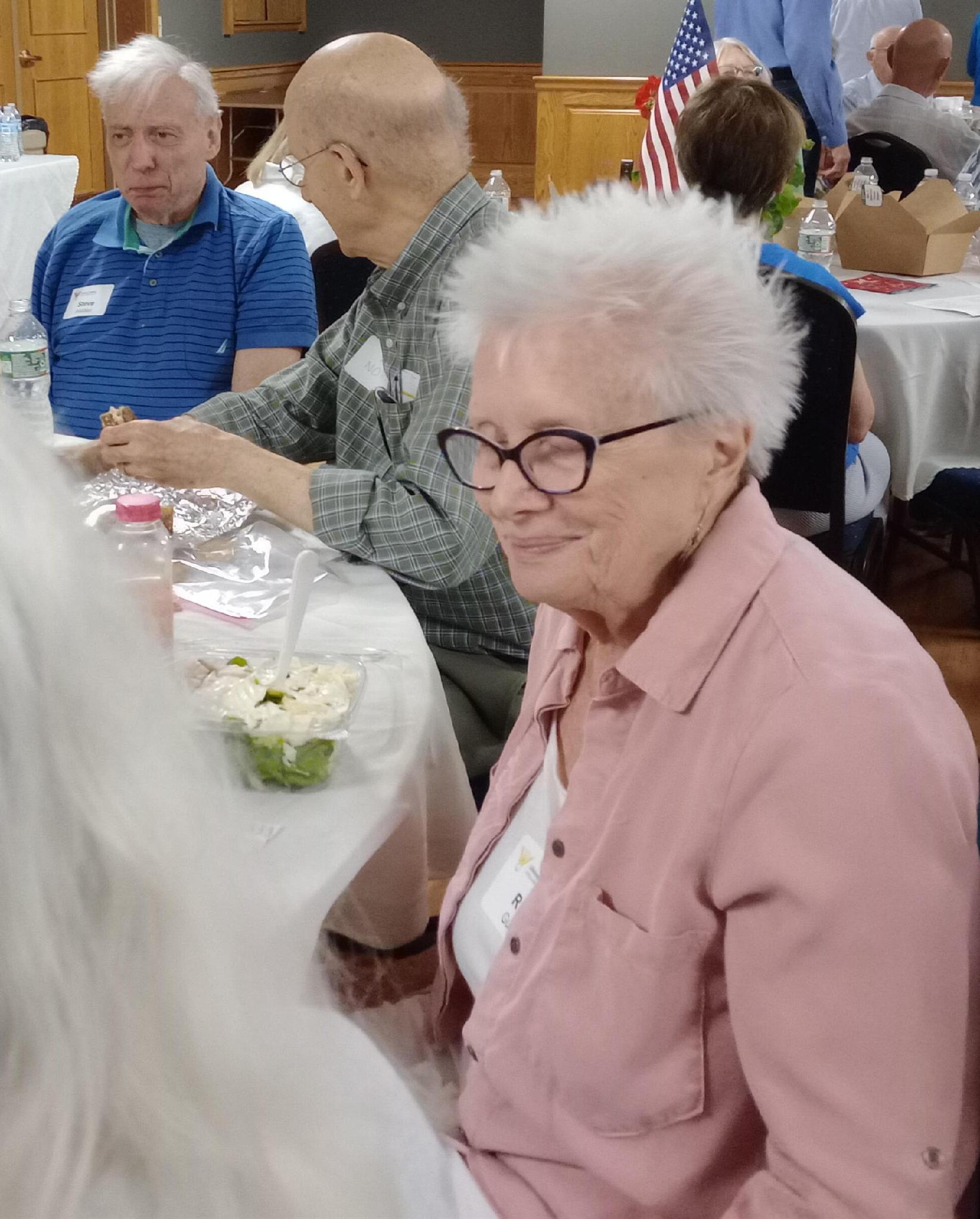
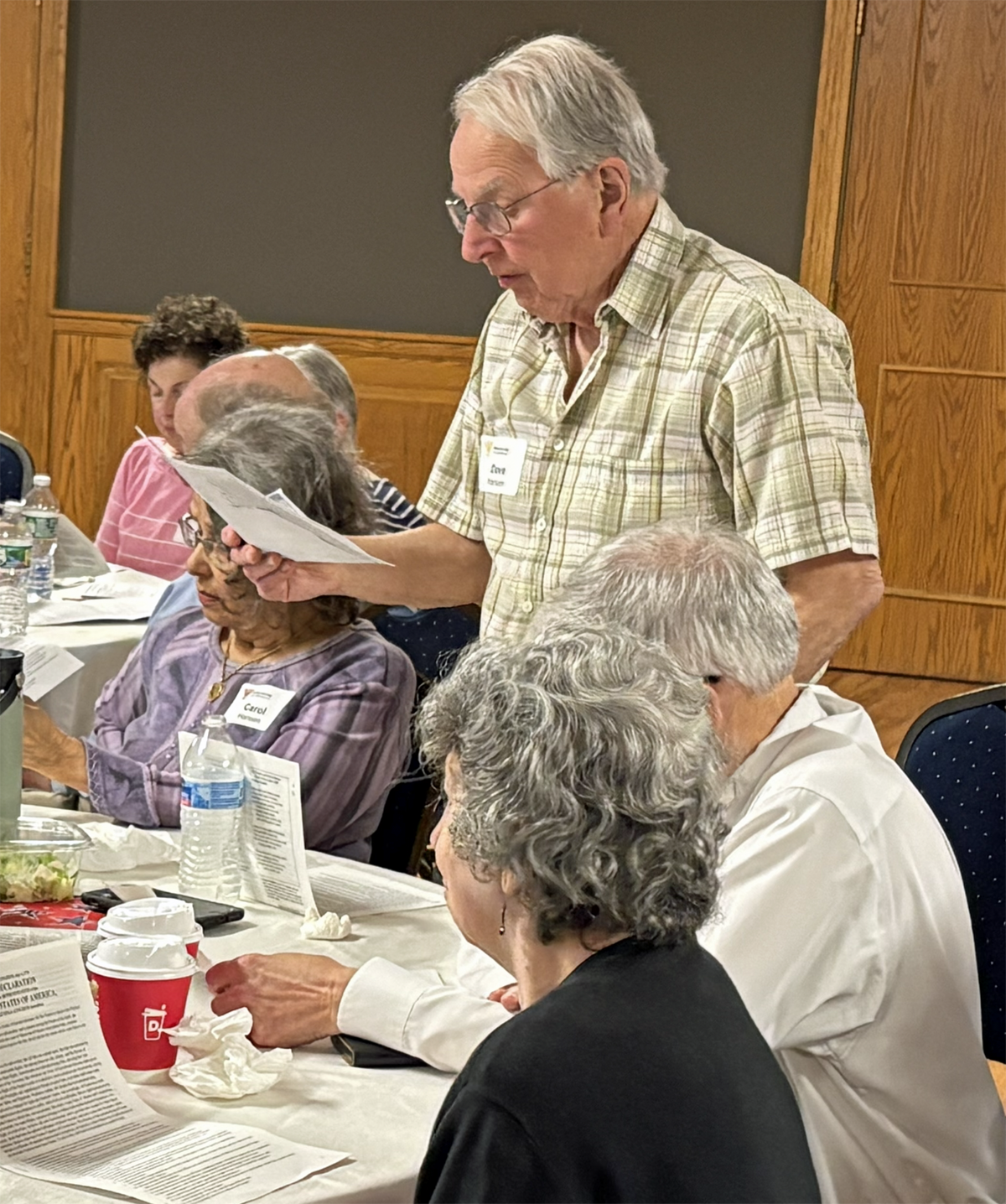
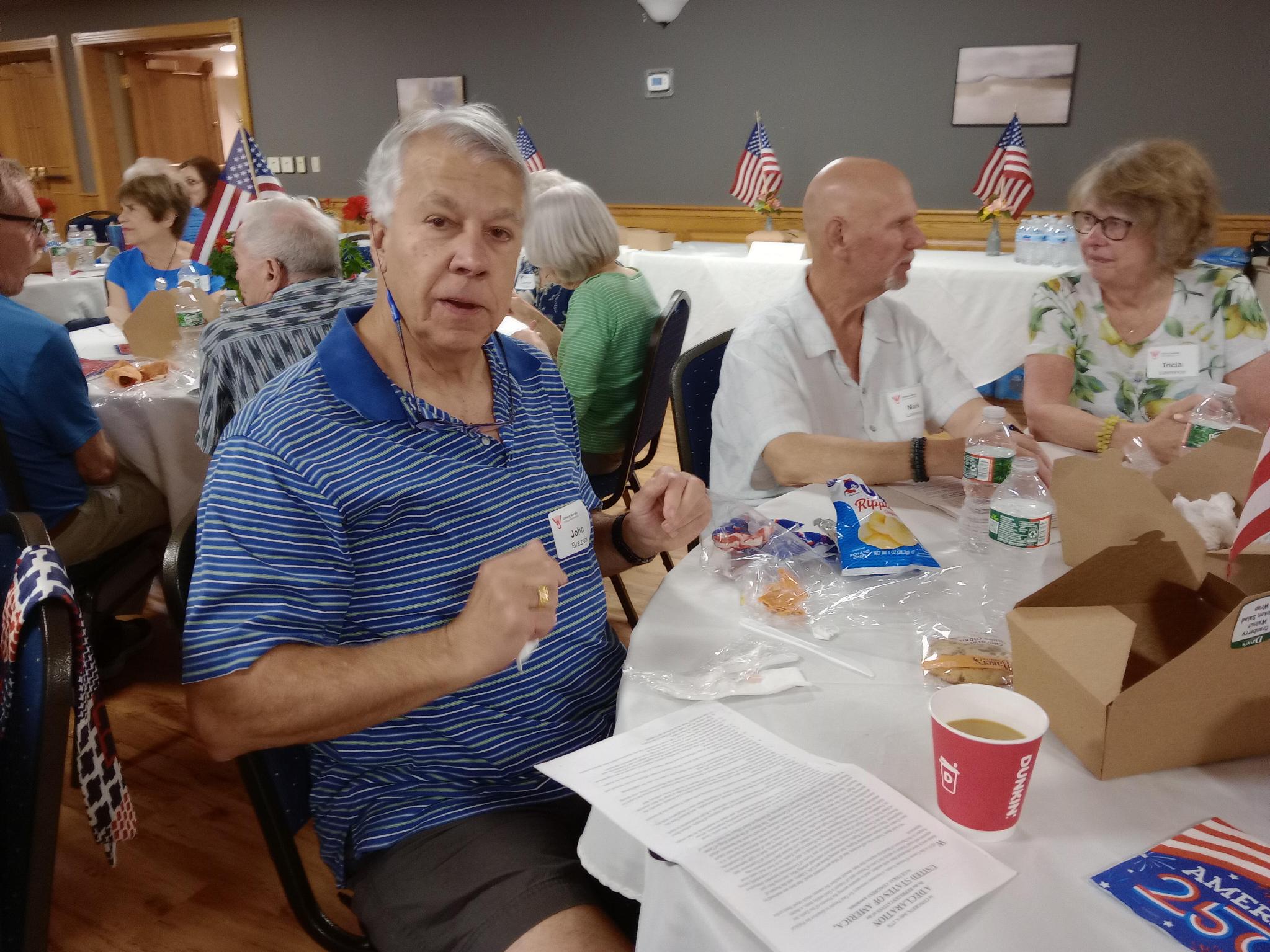
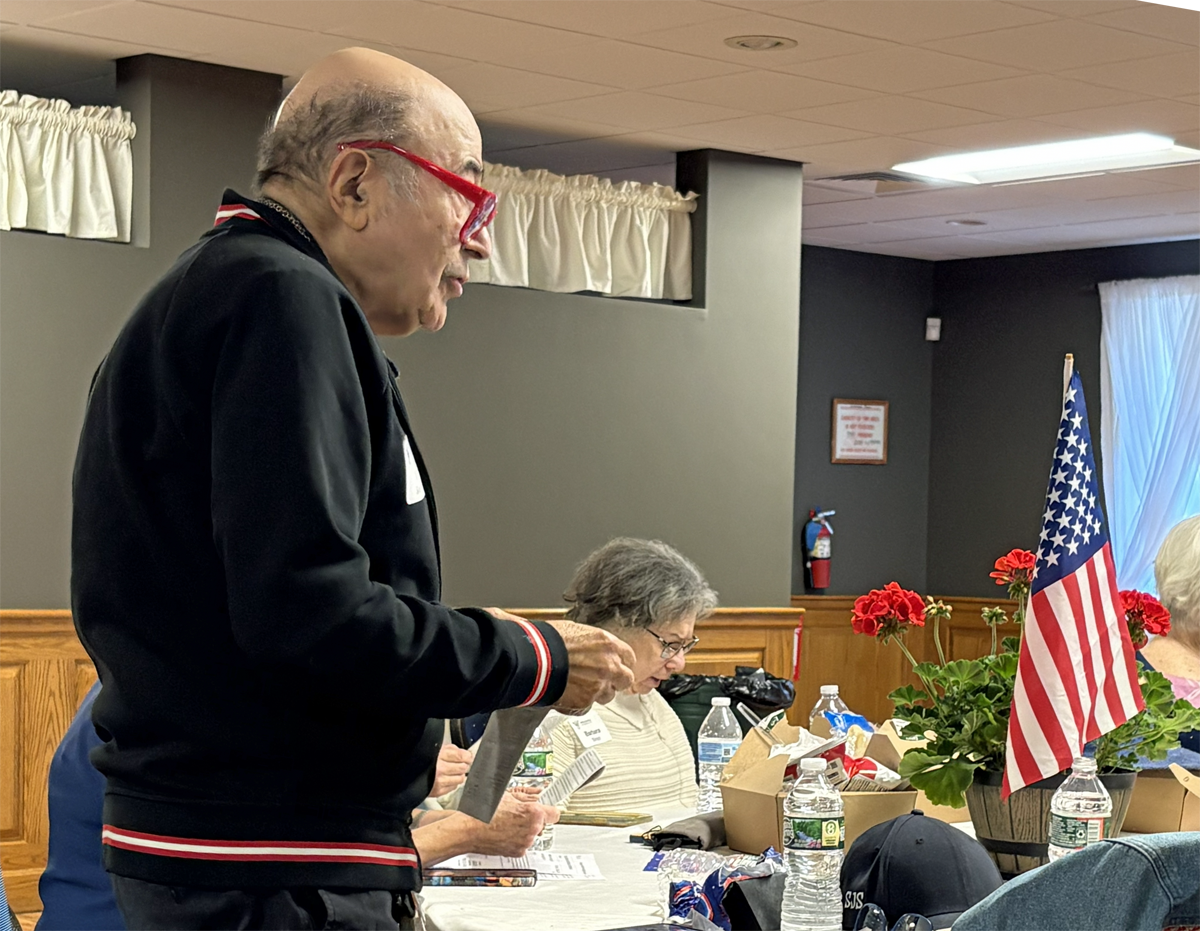
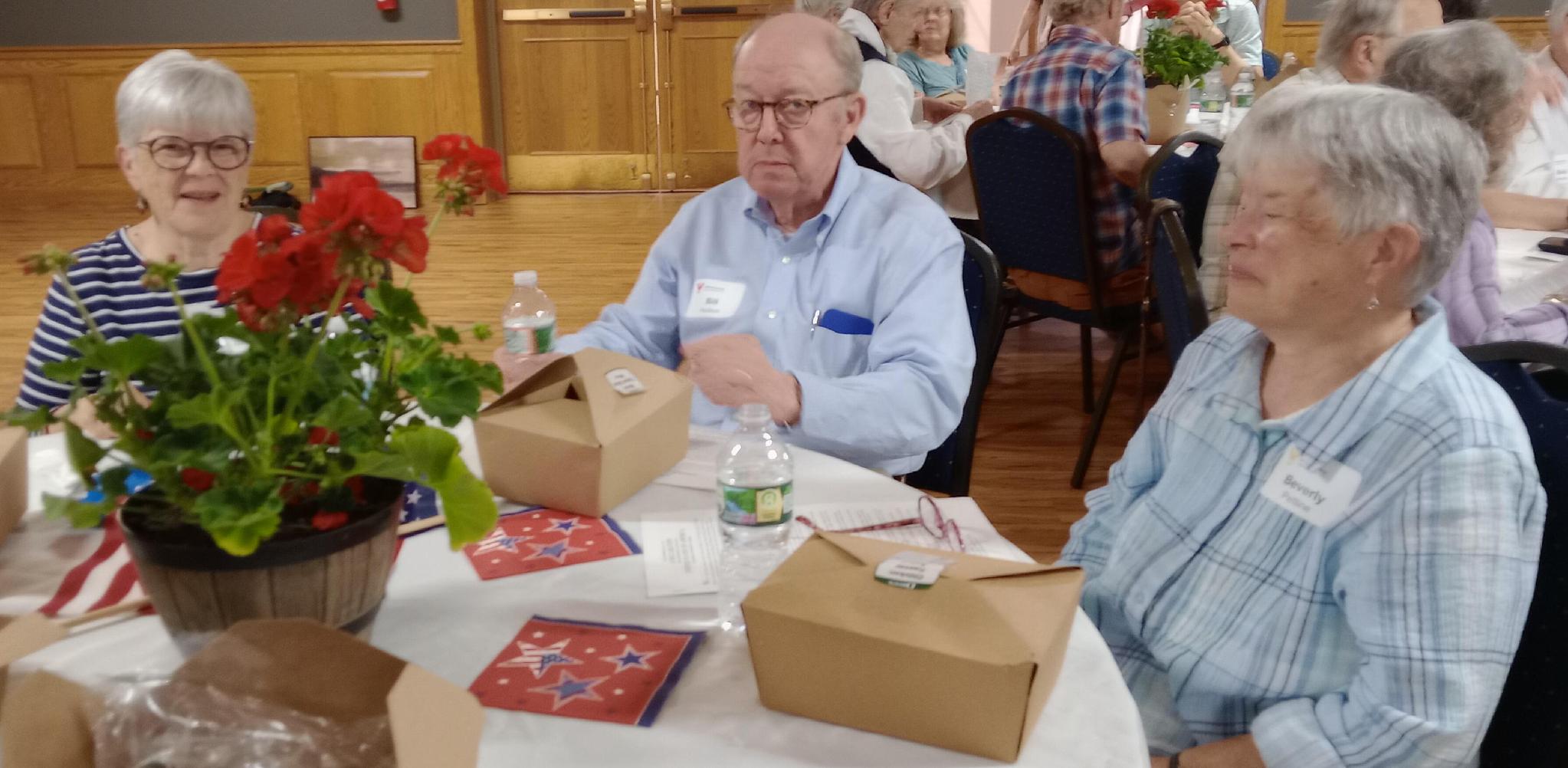
Photos by Diana Grady
FringePVD needs Volunteers!
Summer is almost here, and we're getting excited for FRINGEPVD 2026! As usual, we need YOU to support our artists and audiences. Thanks to our amazing volunteer crew, we consistently hear from the artists what a wonderful experience the festival is, and we could not pull off an event like this without your help!
This year's festival has been scaled back to only one week, July 12th-18th, with fewer venues than in the past.... but we still have an exciting array of performances happening in The Valley! You can read the full press release here: FRINGEPVD 2026 Announcement to learn more about what to expect.
You can sign up to volunteer here: Fringe Volunteer Sign Up. If you have any new friends that may be interested in volunteering, feel free to share this link.
If you have any questions or concerns, please don't hesitate to reach out to me directly. I'll be in touch again to those who respond with more details in the coming weeks!
Warmly,
Christine Treglia
General Manager
pronouns: she/her/hers
The Wilbury Theatre Group
475 Valley Street
Providence, RI 02908
(401) 400-7100
christine@thewilburygroup.org
The Wilbury Theatre Group is a registered 501(c)3 non-profit organization. Please consider making a tax deductible donation and help us continue to bring great theatre to Providence.
From A Boy Juggling a Soccer Ball
by Christopher Merrill
He wheels around, he marches
over the ball, as if it were a rock
he stumbled into, and pressing
his left foot against it, he pushes it
against the inside of his right
until it pops into the air, is heeled
over his head—the rainbow!—

Photo credit: Jannik | Unsplash